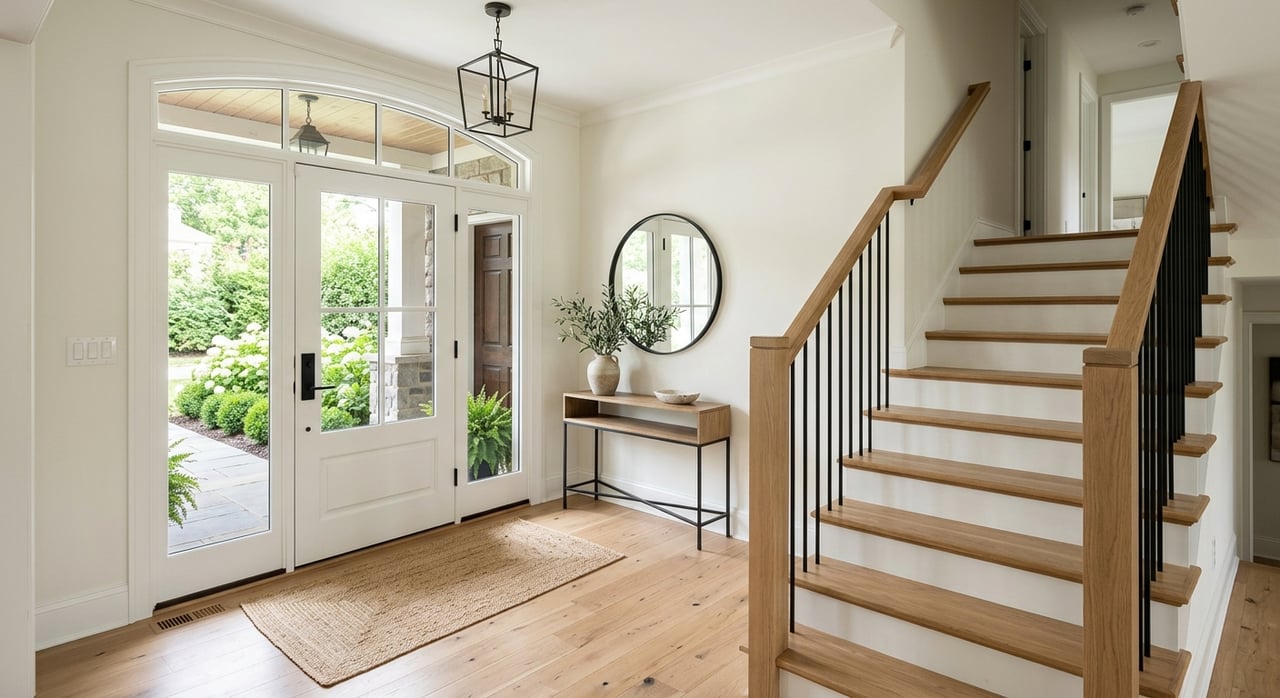
First-Time Buying In Havertown: What To Know Before You Start
June 18, 2026
June 18, 2026
Buying your first home in Havertown can feel exciting and overwhelming at the same time. You may be trying to balance your budget, learn the process, and figure out which homes are worth your attention in a competitive, established suburb. The good news is that a little preparation can help you move forward with more clarity and less stress. Let’s walk through what to know before you start.
Havertown sits within Haverford Township, a community of about 51,000 residents in just under 10 square miles. The township describes itself as fully developed and one of the most densely populated municipalities in Delaware County. For you as a first-time buyer, that usually means you are shopping in an existing-home market rather than a market full of brand-new construction.
That matters because your search may involve more than comparing square footage and finishes. In Havertown, you are often looking at homes with history, updates completed over time, and property conditions that can vary a lot from one house to the next. A thoughtful approach will help you spot both opportunity and risk.
One of the biggest first-time buyer mistakes is focusing only on the mortgage payment. Your real monthly housing cost can also include property taxes, homeowners insurance, mortgage insurance, flood insurance if needed, utilities, maintenance, repairs, and any association fees. Closing costs also matter, and they commonly run about 2% to 5% of the purchase price.
In Haverford Township, the tax picture deserves extra attention. Property taxes come from three separate taxing authorities: Delaware County, Haverford Township, and Haverford Township School District. That means the payment that feels comfortable on paper can shift once you account for the full cost of ownership.
A current Census snapshot adds useful context. Haverford Township has an owner-occupied housing rate of 87.4%, a median owner-occupied home value of $466,400, and median monthly owner costs of $2,682 with a mortgage. Those numbers do not define your budget, but they do remind you that this is a market where planning carefully matters.
Much of Haverford Township’s housing was built in the first half of the 20th century. The township is primarily residential, with a mix of single homes, twins, row houses, apartments, and condominiums. That variety can be helpful if you are trying to match your first purchase to your lifestyle and budget.
Older homes can offer character, established streets, and a strong sense of place. They can also come with older systems, less open layouts, or past renovations that need closer review. In Havertown, condition is often just as important as price.
Your best fit may depend on how much maintenance you want, how much space you need, and how flexible your budget is. Since Havertown includes several housing types, it helps to compare them with a clear head instead of assuming detached homes are the only goal.
| Home type | What to think about |
|---|---|
| Detached home | Often offers more privacy and yard space, but may bring higher purchase price and more upkeep |
| Twin | Can be a practical middle ground for space and cost, with shared-wall considerations |
| Row house | May offer an accessible entry point depending on condition and location, with less exterior maintenance |
| Condo or apartment-style home | May offer lower-maintenance living, but be sure to review monthly fees and rules |
The right starter home is not always the biggest one. It is the one that supports your budget, your timeline, and your day-to-day life without creating constant financial pressure.
Because so many Havertown homes are older, renovation history matters. Haverford Township’s Building & Codes Department reviews and issues construction permits, inspects work for compliance with the Pennsylvania Uniform Construction Code and township code, and states that construction permits are required for most types of work. The township also says contractors must be licensed with the township.
That makes permit questions especially important when you tour an updated home. If a property has renovated kitchens or baths, replaced roofing or siding, updated HVAC, or electrical and plumbing changes, it is reasonable to ask whether the work was permitted and inspected.
These questions are not about being suspicious. They are about understanding what you are buying and reducing surprises later.
If you are buying for the first time, you do not have to figure everything out on your own. The Pennsylvania Housing Finance Agency, or PHFA, recommends starting with a PHFA-approved homebuyer counselor and a participating lender. PHFA offers free homebuyer counseling and education, and counselors can help you think through readiness and affordability.
PHFA also notes that low-down-payment options may be available through FHA, conventional programs, and state or local assistance. That is important because many first-time buyers still assume they need 20% down, which is not always the case.
Delaware County may also offer support through its Homeownership First Program for qualifying low- and moderate-income first-time buyers. The program includes counseling and may provide up to $10,000 in down payment and closing cost help. Funding and eligibility rules apply, so it is best to treat this as a possible resource rather than guaranteed assistance.
A steady plan can help you avoid emotional decisions. The Consumer Financial Protection Bureau recommends comparing your price range with actual prices in your target area. If the homes you like are above budget, it may be time to adjust your criteria, your timeline, or the type of home you are considering.
That can be especially useful in Havertown, where established housing stock and strong owner occupancy can keep demand steady. A practical search rhythm often works best.
Buying your first home is a big step, but it should still feel sustainable. The goal is not just to win a house. The goal is to buy a home you can comfortably keep.
The pressure to act fast can be intense, especially when you are afraid of missing out. But buying before you are ready can create more stress than stability. The CFPB also notes that buying can be risky if you expect to move again within a few years.
Give yourself room to think about the bigger picture. How long do you plan to stay? How much work are you realistically prepared to take on? Does the home support your life now without boxing you in financially?
A grounded decision usually comes from clarity, not urgency. When you know your payment range, understand Havertown’s housing stock, and ask smart questions about condition and permits, you can move forward with more confidence.
If you want calm, thoughtful guidance as you prepare to buy in Havertown, Maria Pandolfi can help you sort through your options at a pace that feels clear and manageable.
Stay up to date on the latest real estate trends.
Get assistance in determining current property value, crafting a competitive offer, writing and negotiating a contract, and much more. Contact her today.