Preparing To Sell In Radnor: A Thoughtful Homeowner’s Checklist
May 28, 2026
May 28, 2026
Selling your home in Radnor can feel simple from the outside and surprisingly layered once you start. You may be thinking about timing, repairs, paperwork, and how to get your home ready without turning the process into a full renovation. The good news is that a thoughtful plan can help you stay calm, protect your time, and focus on what matters most before listing. Let’s dive in.
Radnor’s March 2026 market snapshot points to a premium market where buyers are still paying close to asking price when a home is well-positioned. Across all home types, the median sold price was $1,219,000, average days on market were 28, and the sold-to-original-list-price ratio was 101.0%. That tells you buyers are active, but it also suggests presentation, condition, and pricing still matter.
Detached homes posted a median sold price of $1,255,000 with 31 average days on market. Attached homes sold at a median of $526,000 with 20 days on market. In a market like this, visible deferred maintenance or a cluttered presentation can create hesitation even when inventory is limited.
Before you make a repair list, give yourself permission to think strategically. Most sellers do not need a long, open-ended renovation project right before listing. In Radnor’s current market, targeted cosmetic work and a clean, easy-to-understand presentation are often more helpful than trying to reinvent the home.
That means your checklist should focus on reducing buyer uncertainty. When buyers can quickly understand the home, see that it has been cared for, and spot fewer distractions, they are more likely to respond positively.
One of the smartest first steps is pulling together your records before you do anything else. Pennsylvania requires sellers to disclose known material defects that are not readily observable, and that obligation does not go away just because you complete a disclosure form. Having your paperwork in one place makes it easier to answer accurately and confidently.
Start collecting:
Pennsylvania’s disclosure rules specifically reference issue areas such as roof problems, basement moisture, pests, environmental concerns, unpaid assessments, liens, zoning or building violations, and other material defects. If you know about an issue, it is better to organize the information early than scramble later.
Radnor has a local transfer requirement that can affect your timeline. The Township requires a Certificate of Occupancy for residential and non-residential properties, and no new owner may occupy the property until it is issued. This is one of those details that is much easier to handle early than at the last minute.
The seller must file the application at least 10 business days before settlement. Radnor also says it will not accept partially completed applications. The application must include the signed smoke detector and carbon monoxide certificate and the required $150 fee.
If the application is submitted 10 days or less before settlement, the Township charges a $300 expedite fee. The Township process may also include checks on house numbers, sidewalks, and an internal sanitary sewer soil pipe inspection. Both parties must also certify that smoke detectors near bedrooms are operable and that sump pumps or similar drainage devices are disconnected from the sanitary sewer system.
If you have repaired, updated, or finished any part of the home, now is the time to confirm that permits were properly pulled and closed when required. Radnor states that construction permits are required for most types of work, and all contractors must be licensed with the Township.
This matters for two reasons. First, buyers may ask questions about past improvements. Second, unresolved permit issues can create stress later in the transaction when you want the process to feel smooth and predictable.
Not every room carries the same weight when buyers form their first impression. According to the 2025 staging report, 83% of buyers’ agents said staging makes it easier for buyers to visualize a home as their future residence. The same report found that the living room, primary bedroom, and kitchen are the most important rooms to stage.
That gives you a useful filter for your time and budget. If you are deciding where to start, begin with the spaces buyers are most likely to remember.
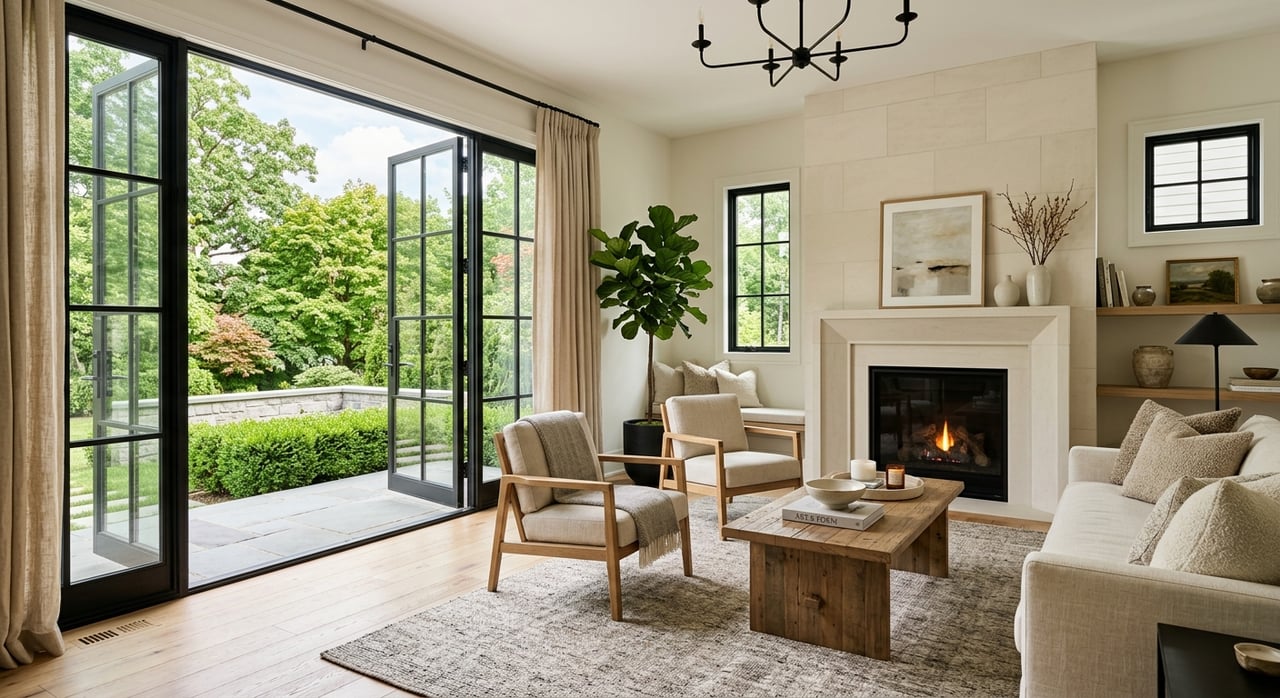
Your living room should feel open, bright, and easy to picture in everyday use. Remove excess furniture, simplify decor, and clear surfaces so the room reads clearly in photos. If the layout feels crowded, less is usually more.
This room should feel restful and uncluttered. Pack away personal items, reduce extra furniture, and keep bedding simple and clean. Buyers respond well to spaces that feel calm and well-maintained.
Clear countertops as much as possible and put away small appliances that add visual noise. Wipe down cabinets, touch up visible wear, and make sure lighting works well. A clean, bright kitchen photographs better and tends to feel more move-in ready.
Online presentation matters because buyers often decide which homes to visit based on photos. In the 2025 staging report, 73% of buyers’ agents rated photos as highly important. Physical staging, videos, and virtual tours also ranked as important, which means your home’s first impression often starts well before a showing.
Your goal is not perfection. Your goal is to make the home feel calm, clean, and easy to understand on screen.
Use this simple photo-prep checklist:
A common seller mistake is spending too much time and money in places buyers may not value enough to justify the effort. Large discretionary remodels are usually less urgent than clear, presentable, well-documented condition. In Radnor’s current market, reducing friction is often more useful than chasing a major project right before launch.
That means smaller fixes may carry more value than you think. A dripping faucet, sticky door, missing light bulb, peeling paint, or worn caulk line may seem minor to you, but together they can signal neglect to a buyer. Thoughtful maintenance tends to matter more than ambitious last-minute construction.
If you are considering professional staging, the 2025 staging report found a median spend of $1,500 for a professional staging service. That does not mean every home needs full staging, but it is a helpful planning number if you want outside support.
Even if you do not stage every room, you can still apply staging principles. Focus on light, space, flow, and simplicity. In many cases, careful editing and strategic furniture placement can do a lot of the work.
A calmer sale usually starts with a realistic calendar. When you break the process into stages, it becomes much easier to stay organized and avoid last-minute pressure.
Start with paperwork and planning. Gather repair records, permits, warranties, manuals, and upgrade details. Use this time to sort what is essential, what is cosmetic, and what you can leave alone.
If your home was built before 1978, note that lead-based paint disclosure rules may apply before a sale contract is signed. You should also gather any available records or reports related to lead-based paint so they are easy to access later.
Work through the house in layers. Begin with storage areas and surplus items, then move to deep cleaning, paint touch-ups, and small repairs. Keep your attention on the living room, primary bedroom, and kitchen, since those are the rooms buyers tend to notice most.
If any work requires township permits, confirm approvals before the work begins. This step can save you from avoidable issues later.
Schedule photography and any staging. Finalize your disclosure paperwork and continue simplifying the house so it is easier to keep show-ready. If you are downsizing or coordinating a move, this is also a good time to line up logistics.
Keep Radnor’s occupancy timeline in mind as the sale moves forward. The 10-business-day filing requirement can become a bottleneck if things move quickly.
Now the goal is consistency. Reset rooms daily, simplify entry areas, secure valuables, and make it easy for showings to happen on short notice. Try to keep the home feeling light, clean, and calm rather than perfect in every moment.
If your home is pre-1978, keep your lead-disclosure materials organized and accessible. If there are any open township issues, work on resolving them before they interfere with settlement.
Do one final sweep for anything distracting. Remove trash, personal paperwork, pet items, and any last clutter that could show up in photos or showings. Confirm utility access, key or lockbox access, parking details, and showing instructions.
The smoother that first day feels, the easier it is for buyers to focus on the home itself.
As you prepare financially, remember that transfer taxes are part of the picture. Pennsylvania imposes a 1% realty transfer tax, and Delaware County notes Radnor Township’s local transfer tax at 1.5%. In practice, that means a Radnor sale is typically subject to a combined 2.5% transfer tax unless an exemption applies.
This is not a staging item, but it is part of being fully prepared. When you know your likely costs upfront, it is easier to plan your next move with fewer surprises.
Preparing to sell in Radnor is not about doing everything. It is about doing the right things in the right order. When you pair calm presentation with accurate disclosures, local compliance, and a realistic timeline, your listing week becomes a finishing stage instead of a scramble.
If you want a steady, thoughtful plan for your move, Maria Pandolfi offers calm guidance designed to help you prepare, simplify, and move forward with confidence.
Stay up to date on the latest real estate trends.


Welcome and Thank you for visiting.
Get assistance in determining current property value, crafting a competitive offer, writing and negotiating a contract, and much more. Contact her today.